Wendy J. Sherman, MD, a Neuro-Oncologist with Mayo Clinic

Dec 12, 2022
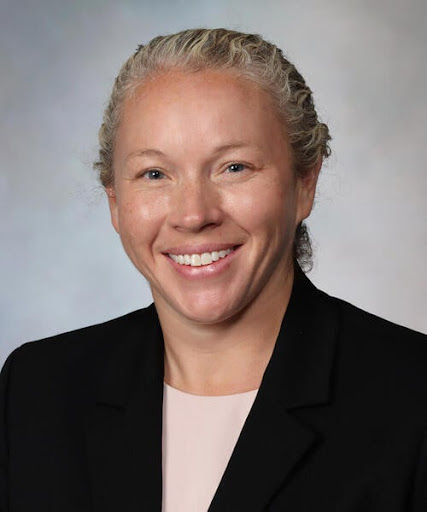

Get to know Neuro-Oncologist Dr. Wendy J. Sherman, who serves patients in Florida.


New York City, New York Dec 12, 2022 (Issuewire.com) - Dr. Sherman is a board-certified neuro-oncologist with a special interest in primary and secondary brain tumors. 

She works at the Mayo Clinic in Jacksonville, Florida, practicing within the Department of Neurology and the Department of Neurosurgery. She is also involved with Mayo Clinic's Brain Tumor Program, offering personalized, comprehensive expert care to people with brain tumors.

Her clinical focus includes expertise in the management of malignant tumors of the brain and spine, clinical trials for both primary brain tumors and metastases, complex coordination of care for brain tumor patients, diagnosis and complex management of brain metastases, benign brain tumor diagnosis, and management, tumor genomic sequencing, as well as neurologic complications of systemic cancer and cancer treatment.

Pertaining to her educational background, Dr. Sherman earned her Bachelor of Fine Arts degree from the University of Illinois in 2004, and her medical degree from Northwestern University Feinberg School of Medicine in 2008.

Furthering her training, she performed her internship in internal medicine, residency in neurology, and fellowship in neuro-oncology at McGaw Medical Center of Northwestern University in 2009, 2012, and 2013, respectively. 

She is board-certified in Neurology by the American Board of Psychiatry and Neurology & in Neuro-oncology by the United Council of Neurologic Subspecialties.

In addition to her clinical activities, Dr. Sherman is highly engaged in clinical trials and translational research, particularly in glioblastoma and leptomeningeal metastases. She is actively involved in the education of medical students and residents.

Involved with many professional organizations, she is an active member of the American Academy of Neurology, the Society of Neuro-Oncology (on the Women and Diversity Committee), the American Neurological Association, the Equity, Diversity, and Inclusion Task Force (Departments of Neurology and Neurosurgery), the Epic Research Steering Committee, and the Alliance for Clinical Trials in Oncology (on the Neuro-Oncology Committee).

Neuro-oncology is the study of brain and spinal cord neoplasms, many of which are very dangerous and life-threatening. Trained to handle patients suffering from brain tumors, a neuro-oncologist is a cancer specialist who deals with cancer that is related especially to the neurological system. They play a crucial role in diagnosing and treating cancer patients.

Learn More about Dr. Wendy J. Sherman:
Through her findatopdoc profile, https://www.findatopdoc.com/doctor/424817-Wendy-Sherman-Neurologist or through Mayo Clinic, https://www.mayoclinic.org/biographies/sherman-wendy-j-m-d/bio-20492185 

About FindaTopDoc.com
FindaTopDoc is a digital health information company that helps connect patients with local physicians and specialists who accept your insurance. Our goal is to help guide you on your journey toward optimal health by providing you with the know-how to make informed decisions for you and your family.

Media Contact

Your Health Contact


*****@yourhealthcontact.com

Source :Wendy J. Sherman, MD

This article was originally published by IssueWire. Read the original article here.

More News

Asian Games set to close

Oct 4, 2026

Asian Games set to close

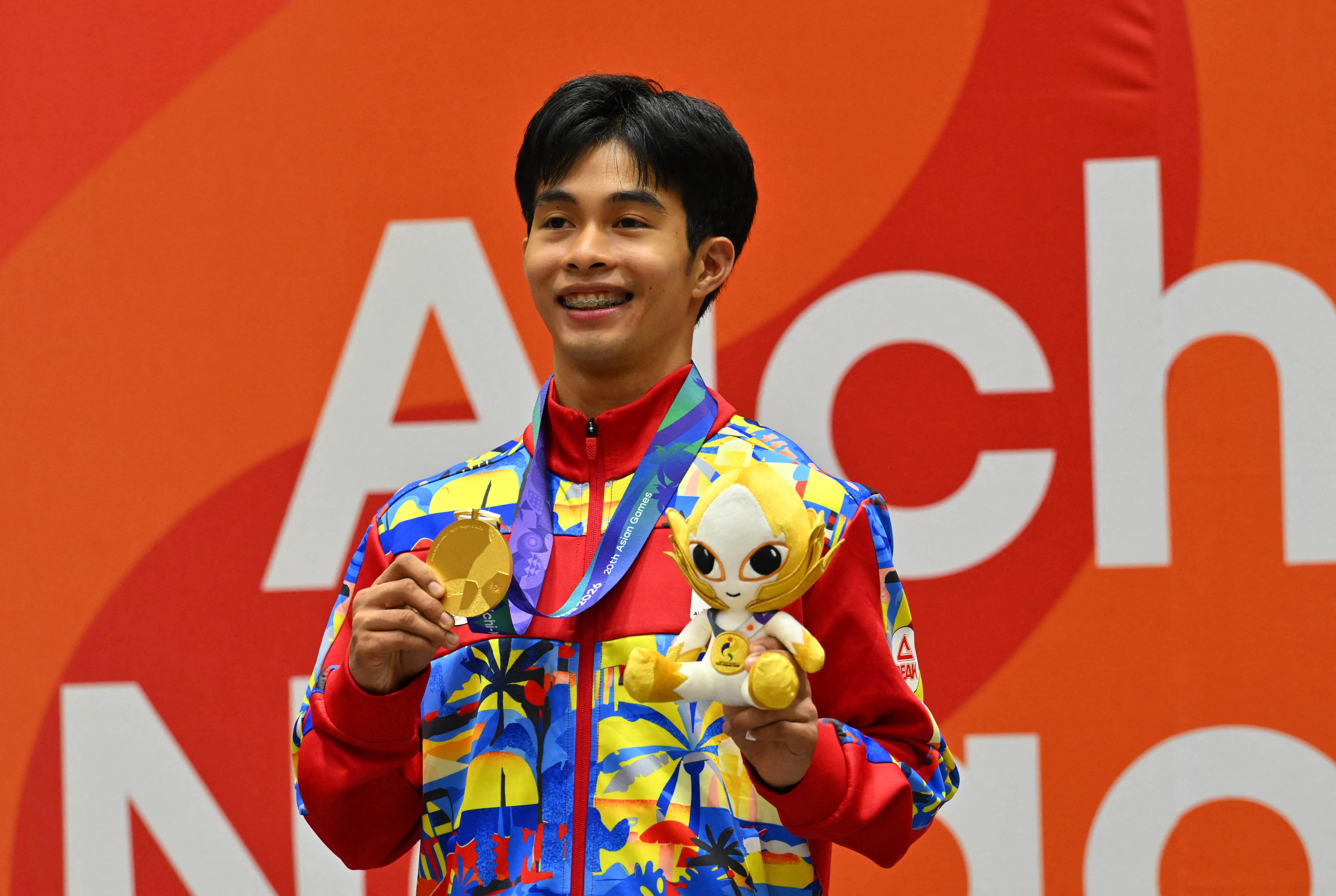
NAGOYA — The Asian Games in Japan will close later Sunday after a fortnight of record-smashing displays from young stars, but marred by mix-ups, patchy crowds and accusations of mismanagement. More than 17,000 athletes and officials, a bigger number than the Olympics, descended on Nagoya and Aichi prefecture for the continent's premier sporting spectacular. Chinese swimming sensation Yu Zidi, just 13, stole the show in the pool with three gold medals, all in Games-record times. She looks set to be a major medal threat at the Los Angeles 2028 Olympics. The schoolgirl was named a Games MVP on Sunday to cap an extraordinary showing that saw her scorch to gold in the 200m butterfly and do the 200m-400m individual medley double. But for that all that, the shy teenager said: "I don't think I am what people describe as a prodigy." Also in the pool, Japanese swimmer Shin Ohashi, himself only 17, smashed the men's 200m breaststroke world record to delight the home crowd. In athletics, where rain tumbled down over several days, Thai sprinter Puripol Boonson did the 100m-200m double and was named men's MVP. "This time there were a lot of global athletes at this event, so the MVP gives me a lot of confidence that I can make the podium in LA," the 20-year-old said. 'Failure grade' With the hours ticking down to the closing ceremony, when Japan will hand over the baton to Doha, top officials were on the defensive. Olympic Council of Asia director general Husain Al-Musallam said "numbers are facts," pointing to 50 world records broken at the Games since they opened on September 19. "The athletes cannot perform if they don't sleep good, the athletes cannot perform if they don't have good transportation," he said. This 20th edition of the Games, which were first contested in 1951, did not have a traditional athletes' village in a bid to save money. Instead, participants were housed in wooden temporary units, on a cruise ship and in hotels. Organizers said this was a template for future multi-sports events. But it came with issues, with some teams complaining the units were too cramped and the beds too short. More than that, the ballooning numbers of athletes and officials meant there were not enough beds for everyone. One Thai Olympic official told AFP it was "like musical chairs." The sport, including a blockbuster cricket final won by India against arch-rivals Pakistan, did sometimes shine through. North Korean weightlifter Ri Song Gum, a 140cm (4ft 7in) pocket powerhouse, set three new world marks in one day for gold. But problems kept coming too, including organizers playing North Korea's national anthem for the South Korean hockey team. There were athletes' buses that did not turn up when they should, or did not arrive at all. Two teams were sent to the wrong venue, delaying a volleyball match. "If I were to give them a grade, it would be an F," Ryu Seung-min, president of the Korean Sport and Olympic Committee, said. Games organizers were on the back foot as well over attendances, with the opening ceremony taking place in front of thousands of empty seats. At the women's football semi-final between hosts Japan and South Korea there were 998 spectators in a 50,000 stadium. Boy history-maker Japanese Olympic Committee president Seiko Hashimoto admitted that "there were many problems," but said the country wants to host more international events in future. She said bad weather had turned some spectators off, but was eager to point out that some sports were well attended. About 30,000 saw South Korea beat Japan 1-0 to clinch men's football gold, although the occasion was tarnished somewhat when the South Korean flag failed to go up in the victory ceremony. The hosts finished with 83 golds, a distant second in the medals table behind China with 169. Japan's tally included gold for Yuki Kurihara, who won an eSports competition aged 11, believed to make him the youngest Games champion in history. Several sports with ambitions of making the Olympics made their debut, including padel, MMA and virtual taekwondo.

YOUR NEWS, OUR NETWORK.

Do you have Great News you want to tell the world?

Be it updates about your business or your community, you can make sure that it’s heard by submitting your story to our network reaching hundreds of news sites across 6 verticals.